How to Handle Link Building During Algorithm Updates
During an algorithm update, pause reactive decisions and keep steady, quality link building running rather than stopping outright.
Search algorithm updates create a genuinely uncomfortable period: rankings fluctuate, forums fill with theories, and the pressure to react immediately is high. How you handle link building during this window matters more than most site owners realise, since panicked reactions often cause more damage than the update itself.
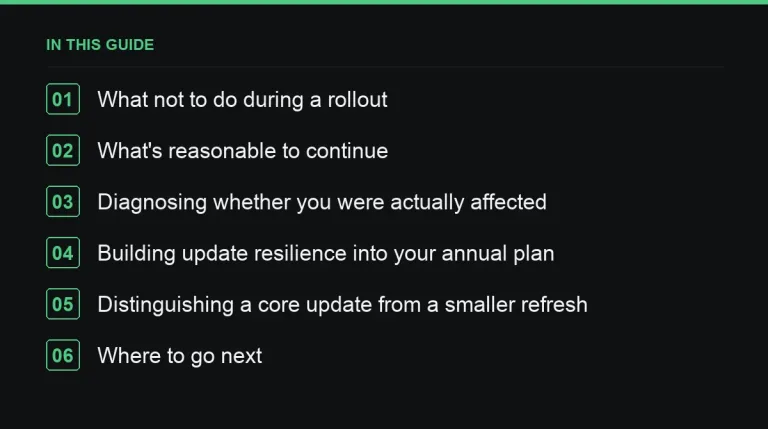
What not to do during a rollout
Avoid making major strategic changes based on early, incomplete data while an update is still rolling out, which can take days to weeks. Don’t disavow links reactively without evidence, don’t abandon a channel that’s been working simply because of short-term volatility, and don’t rush to replace lost rankings with a large batch of new links acquired quickly — this is exactly the kind of pattern that draws scrutiny.
Why patience matters here specifically
Many updates cause temporary volatility beyond their final, settled effect, and reacting to the volatile middle of a rollout often means responding to noise rather than the actual outcome. https://successtoroad.com/blog/google-algorithm-updates-and-links/ covers reading update signals more broadly, and the core advice is consistent: wait for the rollout to substantially complete before drawing conclusions.
What’s reasonable to continue
- Ongoing, quality-focused link building that was already part of a considered strategy
- Content improvements already planned, since these rarely conflict with any update’s intent
- Routine monitoring and measurement, which becomes more valuable, not less, during this period
What’s reasonable to pause
Hold off on launching a brand-new, large-scale tactic you haven’t tested, since attributing its effect becomes much harder amid update-driven volatility. Similarly, delay major budget reallocation decisions until you can see the update’s settled impact rather than its volatile middle.
Diagnosing whether you were actually affected
Not every update affects every site, and assuming you were hit just because an update happened is a common mistake. Check your own data first — a real, sustained ranking change specific to your site, not just general market chatter — before concluding you need to respond at all. https://successtoroad.com/blog/recovering-from-a-drop/ covers the fuller diagnostic process if your rankings did genuinely move.
A response framework
| Situation | Recommended response |
|---|---|
| Update rolling out, no confirmed impact on your site yet | Continue current plan, monitor closely |
| Update settled, confirmed negative impact | Diagnose cause before any specific action |
| Update settled, confirmed positive impact | Note what may have contributed, don’t over-attribute to one factor |
Building update resilience into your annual plan
The best defence against being derailed by an update is having a link building approach that was quality-focused and diversified before the update happened, rather than one built around a single risky tactic. https://successtoroad.com/blog/building-a-12-month-link-plan/ should explicitly account for at least one update occurring during the year, with budget flexibility rather than a rigid schedule that assumes stability.
Communicating with stakeholders during this period
If you report to others, resist pressure to produce an immediate explanation or fix while an update is still volatile. A brief, honest “we’re monitoring, will report once the rollout settles” is more credible long-term than a rushed explanation that later proves wrong. https://successtoroad.com/blog/documenting-a-link-strategy-for-stakeholders/ is worth having in place before an update hits, not improvised during one.
Distinguishing a core update from a smaller refresh
Not every update carries the same weight — broad core updates tend to have wider-reaching effects than smaller, more targeted refreshes. Understanding which type is occurring helps calibrate how much attention and caution the situation actually warrants, rather than treating every update announcement with equal alarm.
Keeping a personal record of past updates
Note down how your site was affected, if at all, by each past update you experience, along with what you changed or didn’t change in response. Over time this becomes a useful reference for how your specific site tends to respond to different types of updates, which is more useful than general industry commentary about updates affecting other sites.
Avoiding update-chasing behaviour
Constantly adjusting strategy in reaction to every rumoured update, rather than confirmed, settled ones, creates its own instability. A calmer posture of monitoring without immediate reaction tends to serve most sites better than chasing every piece of early online speculation.
A brief word on public commentary
Public discussion following an update is often speculative and contradictory in its early days, so treat it as one input rather than a reliable guide, and prioritise your own site’s actual data over general online sentiment about what the update supposedly targeted.
Finally, use each update as a learning opportunity for your own risk framework, refining it slightly based on what the experience taught you about your site’s specific resilience.
Where to go next
Algorithm updates reward patience and a strategy that was sound before the update, not a reactive scramble during it. See https://successtoroad.com/blog/risk-appetite-frameworks/ for setting your general tolerance for link building risk ahead of time, so decisions during volatile periods are guided by a framework rather than made under pressure, and https://successtoroad.com/marketplace/ remains a reasonable source for continuing quality link building through the disruption.
Frequently asked questions
Should I pause all link building during an algorithm update rollout?
Not entirely. Continuing quality-focused, already-planned link building is usually fine; what's worth pausing is launching new, untested tactics or making major reactive changes before the rollout settles.
How do I know if an update actually affected my site?
Check your own ranking and traffic data for a real, sustained change specific to your site, rather than assuming impact just because an update is widely discussed. Many sites aren't meaningfully affected by any given update.
Is it ever right to disavow links reactively during an update?
No, not without specific evidence of unnatural link patterns. Reactive disavowal without a clear cause risks removing links that were genuinely helping.
How long should I wait before drawing conclusions about an update's impact?
Until the rollout has substantially completed, which search engines typically communicate, since early volatility during rollout often doesn't reflect the final, settled outcome.
Put it into practice
Filter 54,483 websites by DR, traffic, niche and price, and order with escrow — you pay only after the link is live.
Browse the marketplace